-
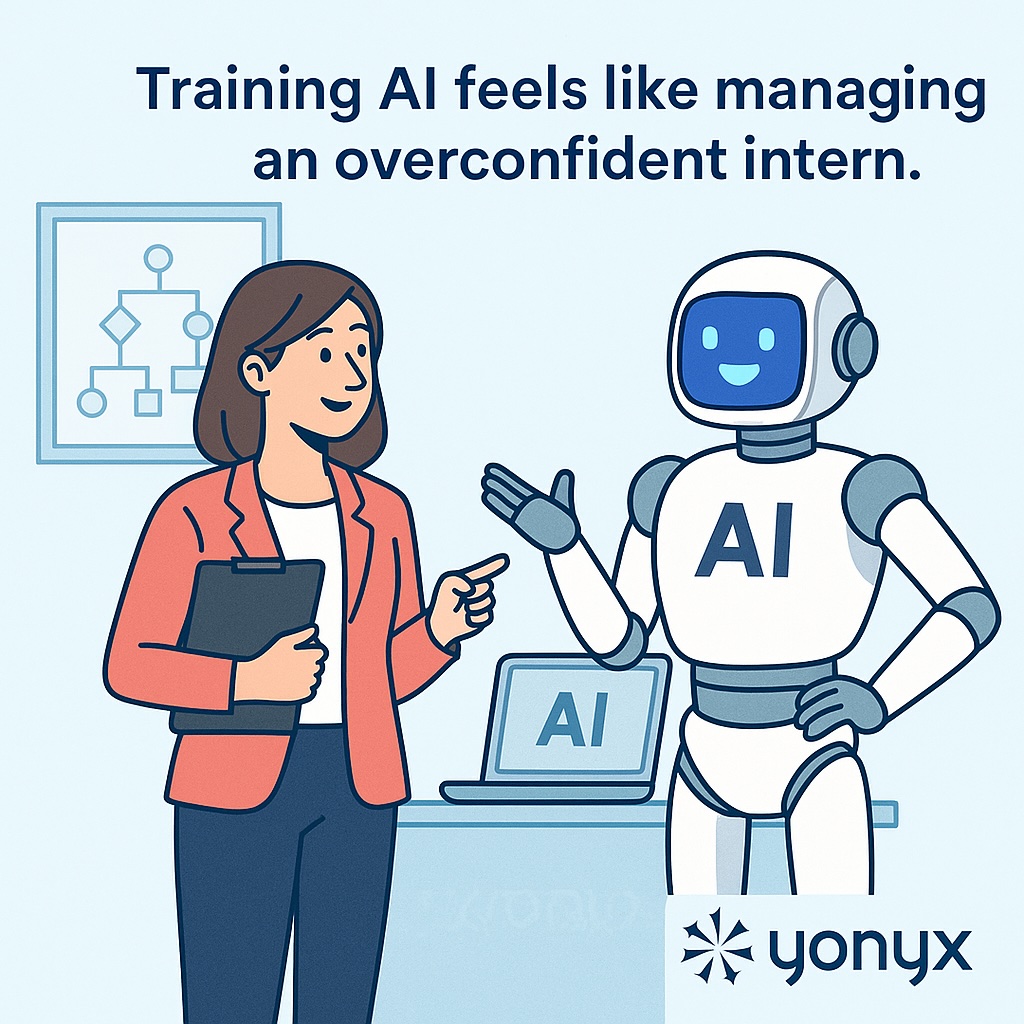
When Teaching AI to Think Logically Feels Like Managing an Overconfident Intern
Every leader knows the type: the well-meaning intern who answers questions with bold enthusiasm, even when they have no idea what the question really meant. Modern AI, in its more entertaining moments, behaves remarkably similarly. You ask for a simple explanation, and it delivers a confident monologue that sounds brilliant until you realize it’s built…
-
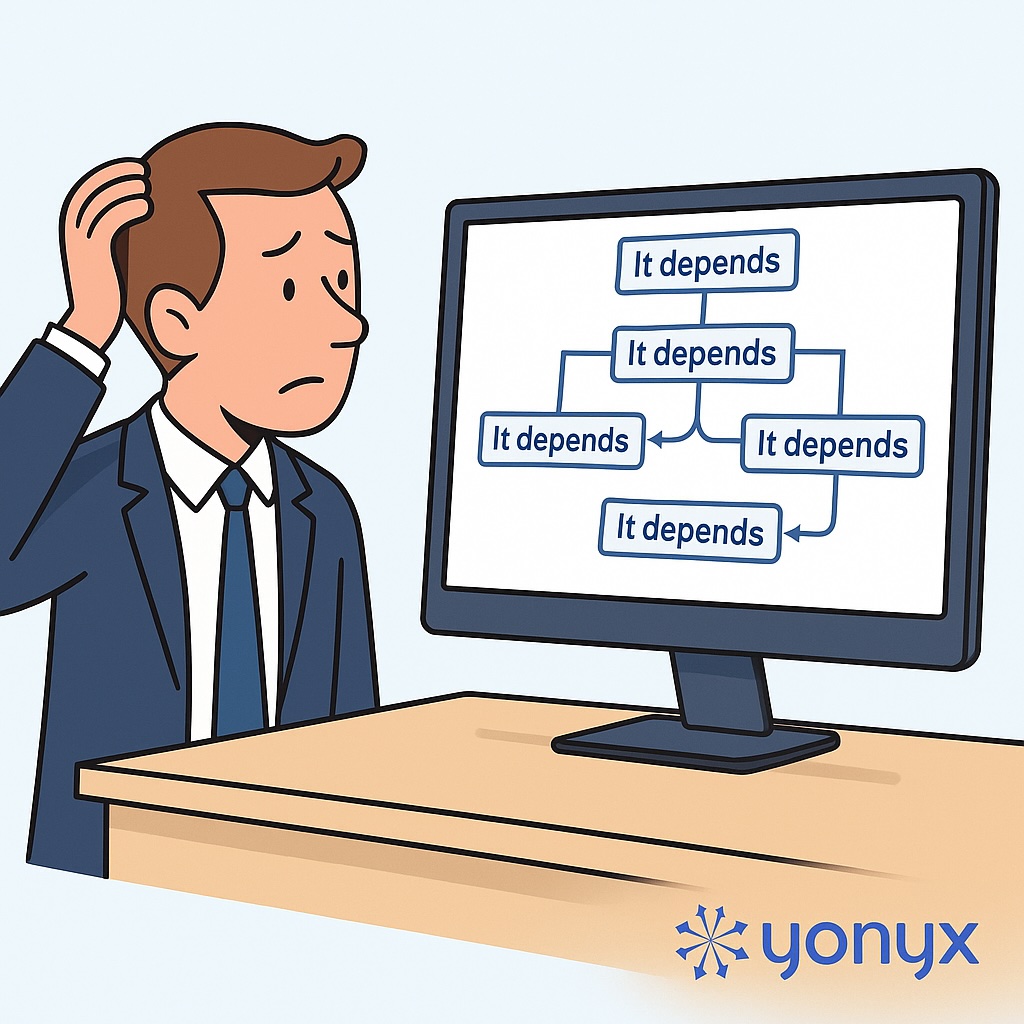
When Your Decision Tree Says “It Depends”
Every troubleshooting flow is designed to give clear answers — steps, outcomes, branches, logic. But every once in a while, you encounter the rarest of responses: a decision tree that seems to shrug and say, “It depends.” For support teams and customers alike, it’s a moment of both humor and honesty. Because sometimes, the correct…
-

The SDR Art of “Circle Back Next Quarter”
There are certain phrases you hear so often in sales that they begin to feel like industry folklore. One of the most iconic? The politely vague, eternally optimistic, “Circle back next quarter.” Every SDR knows exactly what that means — and exactly what to do about it. It’s not avoidance. It’s not procrastination. It’s tradition.…
-
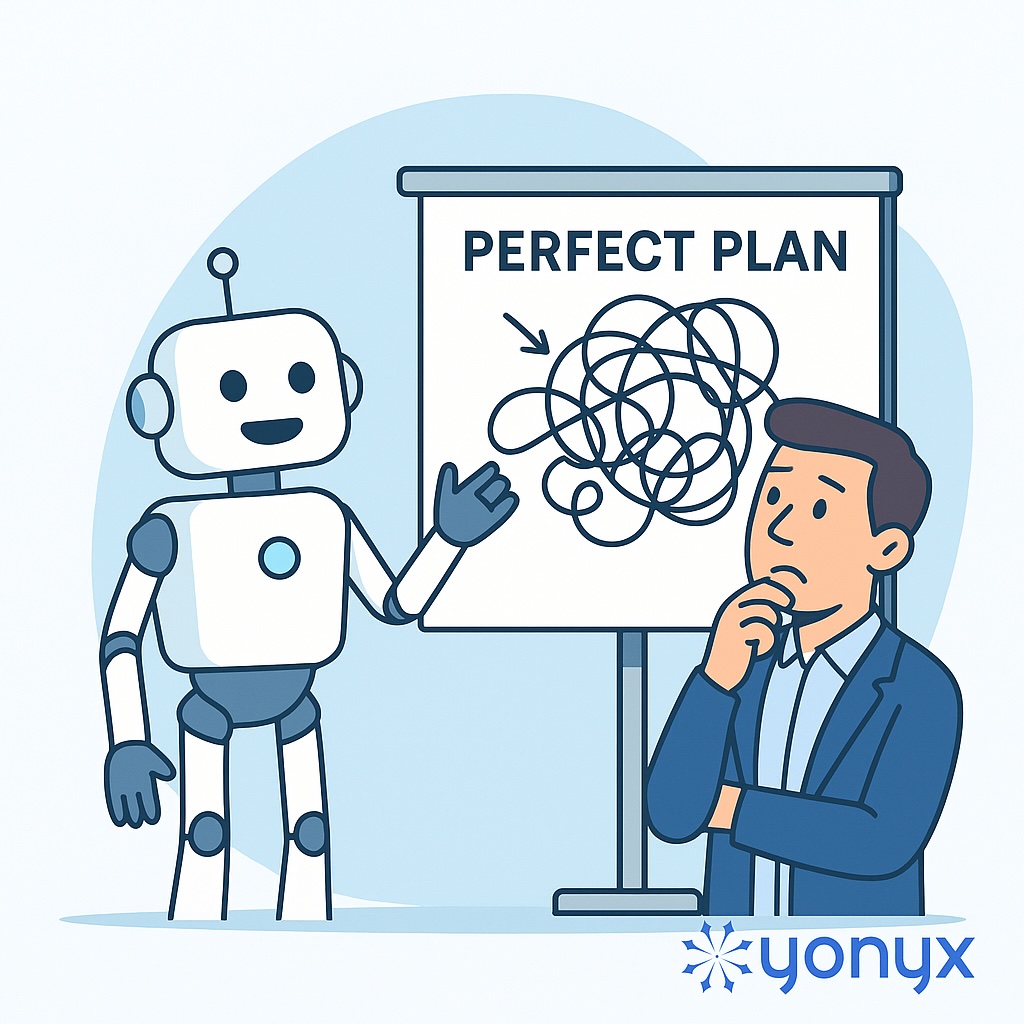
When AI Explains a Mistake Like It Planned It All Along
There is a particular kind of confidence that only AI possesses — the confidence to take a mistake, wrap it in impressive vocabulary, and present it as a bold strategic choice. You’ve seen it happen. You ask for a simple answer, and instead you get a dissertation explaining why the wrong result was, in fact,…
-

Proactive Customer Service: How to Solve Issues Before They Happen
Customer service is no longer limited to resolving issues. The focus has shifted to preventing them before they affect the customer. Proactive customer service, also known as proactive customer support or proactive customer care, focuses on anticipating what customers might need before they have to ask. Research shows that 87% of customers appreciate proactive solutions…
-

Digital Customer Engagement: How to Connect, Retain, and Grow Your Audienc
Over 70% of online complaints go unanswered, and each missed reply intensifies customer frustration. Not because teams don’t care, but because messages scatter across too many channels. Important conversations slip through. Follow-ups get lost. Opportunities disappear before anyone notices. It’s a costly gap in the customer journey. This happens when engagement depends on effort instead…
-

How AI Is Transforming Customer Service Roles
Customer service roles are evolving into something more intuitive, fast, and human, thanks to AI. It’s no longer just about resolving tickets; it’s about understanding people and their needs. Behind every instant reply or smart suggestion, AI is quietly learning, predicting, and helping teams deliver more value with less effort. Rather than replacing agents, AI…
-
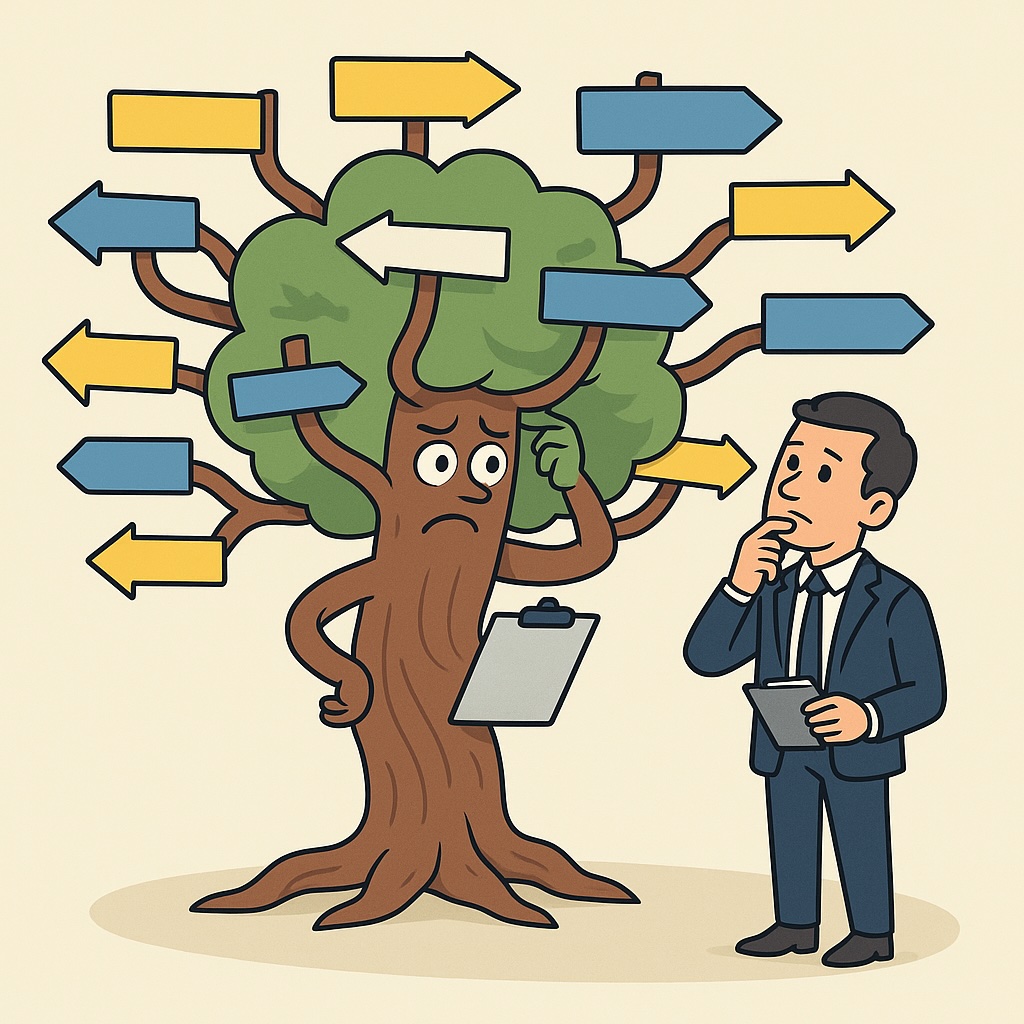
Why Decision Trees Feel Confusing
Every support agent eventually encounters a moment where the decision tree seems to be thinking a few steps ahead—sometimes too far ahead. The image for this article captures that feeling perfectly: a tree covered in arrows, looking just as confused as the person inspecting it. But beneath the humor, there’s an important truth about why…
-

Why “Restarting” Is Still Step One
In technical support, few sentences appear more frequently—and more dramatically—than “I already tried restarting.” Yet the humble restart continues to anchor troubleshooting workflows everywhere. Let’s explore why this moment is so universal, so effective, and unintentionally so funny. A Familiar (and Humorous) Support Exchange Anyone who has ever worked in support knows this moment well:…
-

What Is Customer Case Management and How Does It Improve Service Quality
“Ever had a customer reach out twice about the same issue, once by email, then again in chat, only to realize your team handled it separately both times?” It’s a familiar problem for support teams juggling conversations across phone, email, and chat. Customers expect clear, consistent help every time they reach out, and that’s hard…
