
In healthcare, medical treatment is only one part of the patient journey. The way staff listen, respond, and guide people through their care is just as important. Patients often feel anxious or vulnerable, and strong customer service in healthcare helps reduce that stress while building trust.
Effective customer service in hospitals and clinics leads to fewer complaints, a stronger reputation, and loyal patients who return for follow-ups. This blog explores the importance of customer service in healthcare, the benefits it brings, and practical steps for improving customer service.
It also discusses the customer service standards every healthcare team should follow and how organizations can empower customer service even when challenges arise.
Why is Customer Service Important in Healthcare
To build better systems, we first need to understand why customer service is essential in healthcare.
1. Patients Often Feel Anxious
Patients often come in feeling worried about their health, test results, or the cost of care. Friendly words, clear updates, and helpful support can ease this worry and make their experience more comfortable and reassuring.
2. Good Service Builds Trust
Patients share more when they feel respected. A nurse who listens with patience, or a receptionist who speaks kindly, can change how they see the entire clinic. Trust encourages cooperation, clearer communication, and fewer misunderstandings.
3. Clear Communication Prevents Confusion
Medical terms and procedures can be hard to follow. Explaining things like wait times, billing steps, or the next stage of care helps patients stay calm. When they understand what’s happening, they feel more confident and in control.
4. The Experience Shapes the Outcome
A patient may receive the right treatment, yet a poor interaction can still leave them unhappy. Unanswered questions, long silent waits, or rude replies can weaken their confidence. In contrast, small gestures, like updates, guidance, or empathy, can turn a stressful visit into a positive experience.
5. Good Service Brings Patients Back
People remember how they were treated more than anything. When they feel listened to and supported, they are more likely to return, continue treatment, and recommend the clinic. This builds reputation without extra marketing.
Benefits of Customer Service in Healthcare
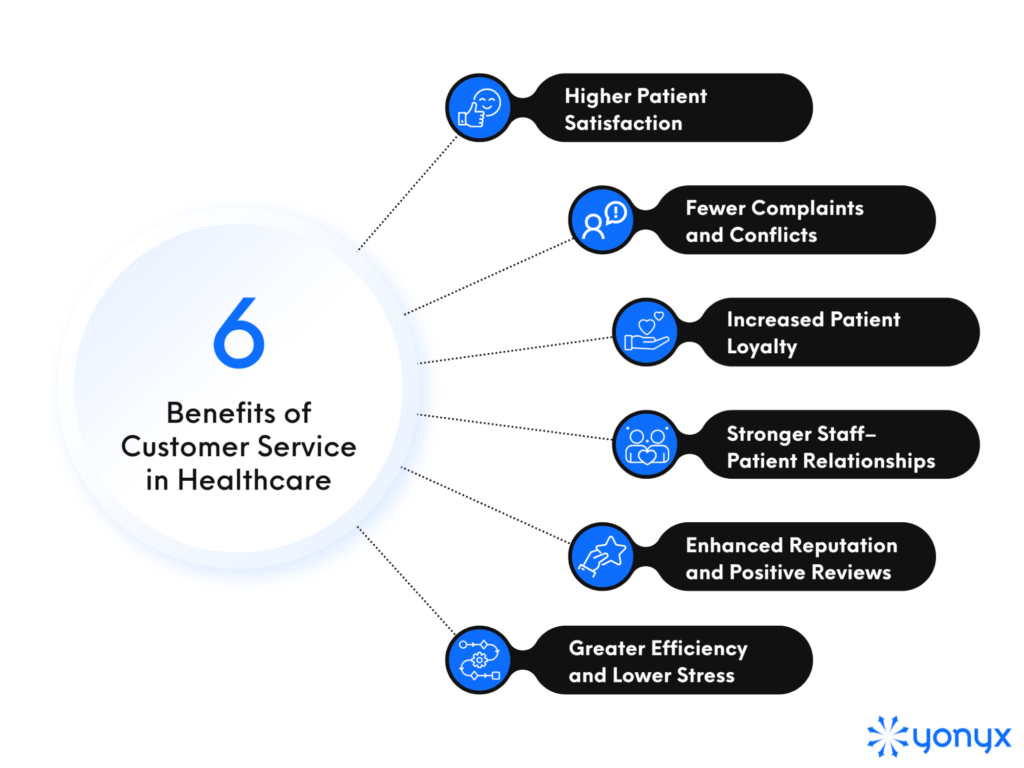
Good customer service not only enhances the patient experience but also generates measurable benefits across the entire healthcare system. These benefits are illustrated in the infographic below.
10 Ways to Improve Customer Service in Healthcare
Service quality improves when small problems are addressed with simple actions.
1. Use Interoperable Healthcare Software
Interoperable healthcare software allows secure data sharing across systems, giving providers a complete view of a patient’s medical history. This reduces errors, saves time, and improves teamwork. FHIR standards enable hospitals and clinics to make informed decisions, build trust, and improve patient outcomes.
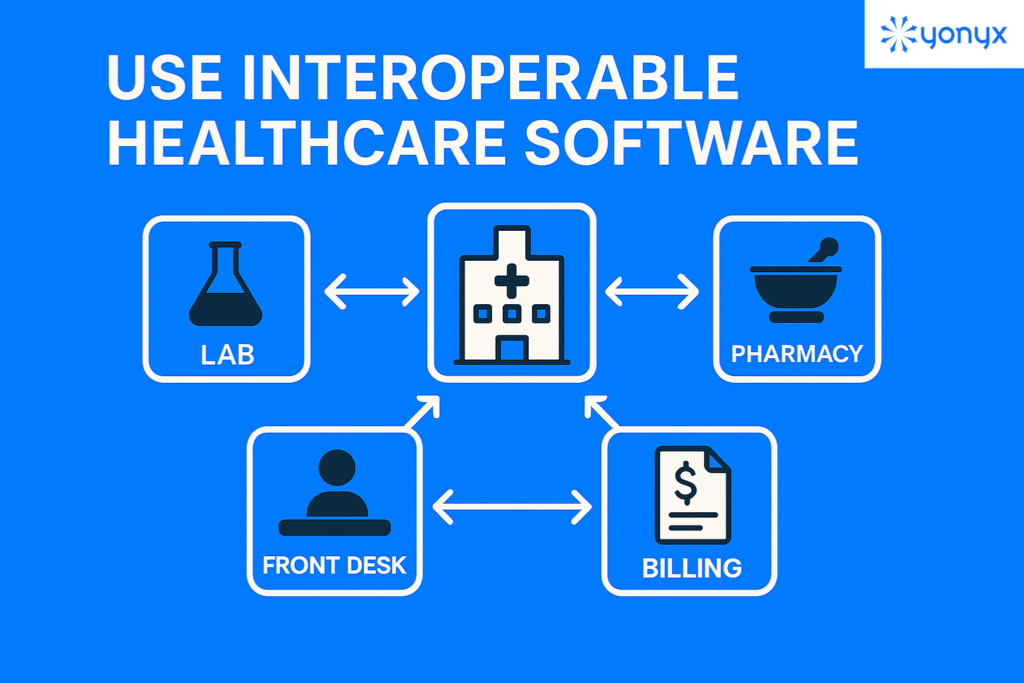
Example: Connect lab, pharmacy, and front desk software so that updates are reflected instantly across all departments.
2. Implement Electronic Health Records (EHR)
Paper records slow service and often result in missing or incomplete information. EHRs make patient histories, prescriptions, and test results easy to access, helping doctors decide faster and reducing delays during check-in and documentation.
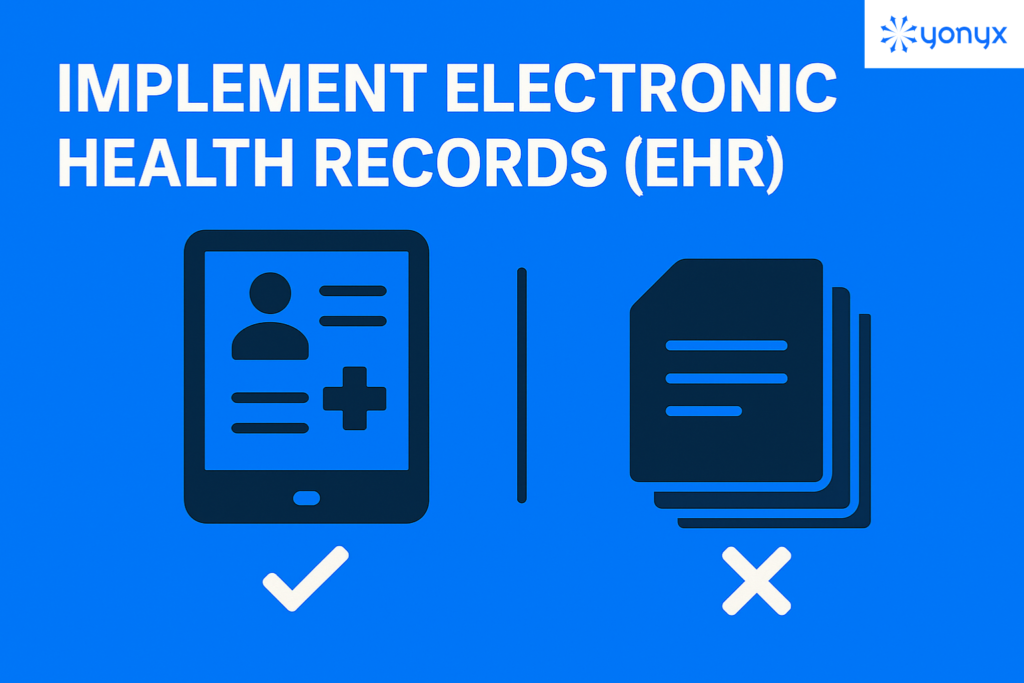
How to apply: Start by digitizing patient records and training staff to update files in real time.
3. Protect Patient Data and Privacy
Patients share personal and medical information with the expectation of confidentiality. When privacy is unclear or broken, trust quickly declines. Strong security and clear policies help patients feel safe, encouraging openness that improves both care quality and communication.
4. Offer a Patient Portal
A patient portal lets people access their care without waiting on calls or standing in line. It empowers them to manage appointments, view records, and message providers, reducing stress and improving satisfaction for both patients and staff.
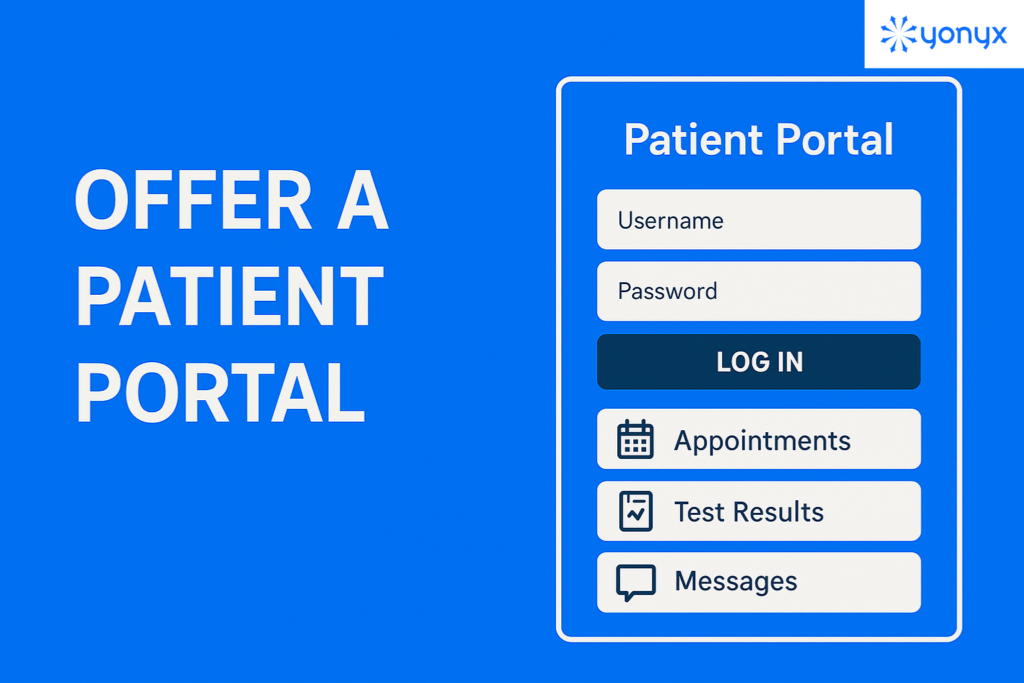
How to apply: Set up a simple login system where they can track their visits and communicate with the clinic.
5. Improve Communication Channels
When patients can’t reach someone for help or updates, frustration rises quickly. Providing multiple ways to communicate ensures they feel supported and informed throughout their care journey, whether they are in person or connecting remotely.

6. Personalize the Patient Experience
Patients don’t want to feel like just another file. Personal touches, like recalling their health history or addressing them by name, make care feel more human. This builds trust and helps reduce hesitation during treatment.

How to apply: Greet them by name, remember past concerns, or send follow-up reminders for their condition.
7. Reduce Waiting Time
Long waits are one of the main reasons patients leave negative feedback. Even with good care, delays can cause stress and dissatisfaction. Smarter scheduling and better queue management help avoid long backups and improve the overall experience.

Example: Use online check-ins or appointment slots to manage walk-ins and speed up flow.
8. Increase Patient Face Time
Patients often feel dismissed when doctors rush or multitask during visits. When providers give focused time to speak and listen, patients feel valued and are more likely to engage actively in their care.
How to apply: Reduce paperwork for doctors by using digital assistants or support staff.
9. Collect and Analyze Patient Feedback
Guessing what patients need often creates blind spots. Feedback highlights gaps in service, communication, and processes. When healthcare facilities listen and act on it, patients feel valued, which strengthens trust and builds long-term loyalty.

Example: Send a short survey after appointments and track repeated concerns.
10. Track Key Performance Indicators (KPIs)
Without tracking data, it’s difficult to know if the service is improving. KPIs give a clear view of where delays, drop-offs, or frustrations occur, helping teams take focused action instead of relying on guesswork.
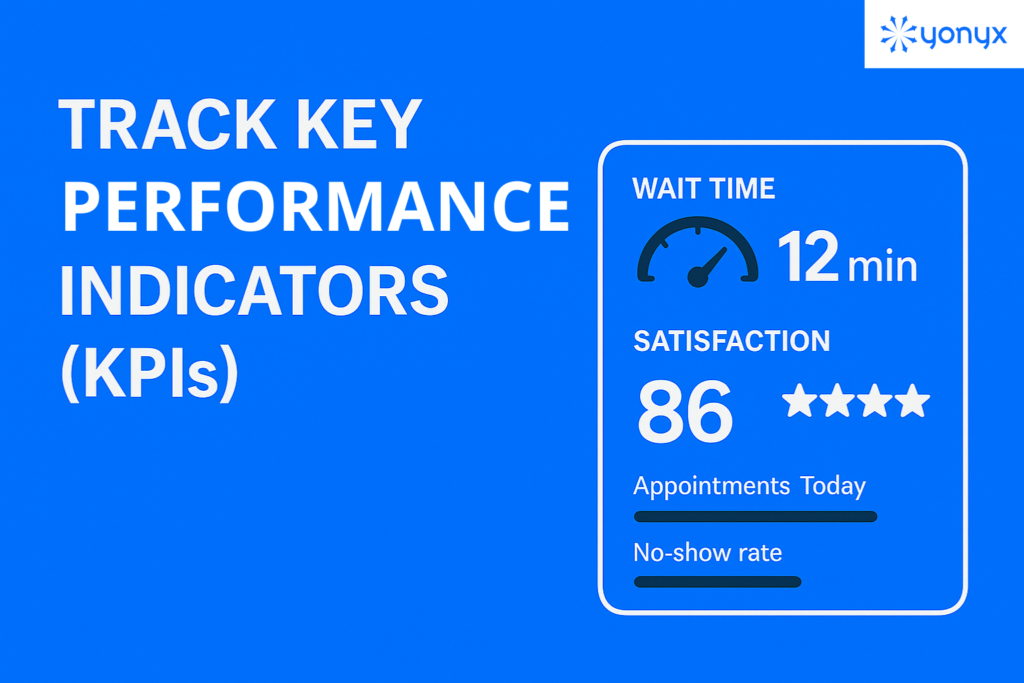
How to apply: Monitor wait times, response times, follow-up rates, and satisfaction scores.
While systems and processes play an important role, it is human interaction that truly shapes the patient experience. The following skills are fundamental for every healthcare professional.
Customer Service Skills for Healthcare Teams
Beyond tools and strategies, strong customer service depends on the human skills of those providing care.
1. Active Listening
Listening is more than hearing words; it’s noticing tone, pauses, and unspoken concerns. In healthcare, patients often find it hard to describe how they feel. When staff give full attention, confirm details, and avoid rushing, patients feel safe. This builds trust and helps prevent mistakes that may affect care.
Example: Nodding, repeating back what the patient said (“So you’ve been feeling this for two weeks?”), and allowing pauses.
2. Empathy and Patience
Healthcare settings can make patients anxious or defensive. A calm, empathetic approach shows that staff care about more than medical results. Patience helps when patients repeat questions or need extra time. Empathy reassures them that their feelings matter, making tough situations easier to handle.
Example: A nurse reassuring a nervous patient before a test by saying, “I understand this feels scary, but we’ll guide you through step by step.”
3. Clear Communication
Medical care often involves terms patients don’t know. Without plain explanations, they may feel confused and anxious. Clear communication means using everyday language, being open about delays or risks, and checking understanding. This prevents mistakes, improves compliance, and helps patients feel at ease.
Example: Instead of saying “You need an MRI with contrast,” explain it as “We’ll take a detailed scan with a safe dye to get clearer results.”
4. Problem-Solving Skills
Unexpected issues, like missing files, scheduling overlaps, or billing errors, can frustrate patients quickly. Strong problem-solving helps staff stay calm and offer solutions instead of excuses. Patients notice these efforts, leaving a positive impression even in stressful moments. In healthcare, solutions matter as much as outcomes.
Example: If a report isn’t ready, offering to call the patient as soon as it arrives instead of making them wait unnecessarily.
5. Professional Etiquette
How staff behave shapes how patients see the entire organization. A professional tone, polite words, and respectful gestures make patients feel valued. Small actions, like introducing yourself or keeping eye contact, show patients they matter. Courtesy builds trust and strengthens relationships.
Example: Greeting patients with a smile, introducing yourself, and maintaining eye contact during conversations.
6. Cultural Sensitivity
Patients come from diverse cultural and language backgrounds. Respecting these differences reduces barriers and shows care. This means being mindful of customs, dietary needs, and communication styles. Culturally aware care helps patients feel welcomed, understood, and builds stronger trust in sensitive situations.
Example: Providing translated documents or having access to interpreters when needed.
7. Confidence with Digital Tools
Modern healthcare relies on technology, EHRs, portals, telehealth, and automated systems. Staff who use these tools confidently help patients navigate digital services with ease. When staff are unsure, it causes delays. Competence improves efficiency, lowers patient stress, and makes care feel more reliable.
Example: A receptionist guides a patient on how to log into the portal to download their lab report.
Challenges in Healthcare Customer Service
Understanding the challenges that stand in the way of great customer service helps highlight where attention and improvement are most needed.
1. Staff Resistance to Change
New systems or processes often face pushback. Many staff feel more comfortable with familiar routines, and sudden changes can create stress. Without clear training and gradual adoption, employees may resist, slowing progress and delaying improvements in care.
2. High Workload and Burnout
Doctors, nurses, and support teams often work long hours. Adding tasks like follow-ups, extra communication, or digital updates can feel heavy. Burnout lowers care quality and makes it harder for staff to respond with patience and empathy.
3. Limited Training Programs
Customer service needs skills such as listening, clear communication, and problem-solving. Yet in many facilities, staff receive only medical or administrative training. Without service-focused programs, employees may struggle to handle complaints, support difficult patients, or explain processes clearly.
4. Budget Constraints
Investing in training, new tools, or software is often seen as an added cost. Smaller clinics or resource-limited hospitals may delay these upgrades, creating service gaps that lead to poor patient satisfaction and, over time, negative reviews.
5. Poor Internal Communication
Customer service isn’t only about patient interaction; it also relies on how well departments communicate. If the front desk fails to share updates with doctors, or labs don’t coordinate with reception, patients experience delays, confusion, and unnecessary frustration.
6. Outdated Systems and Technology Gaps
Paper records, disconnected tools, and missing portals make patient handling slow and prone to errors. Even when staff want to provide better service, outdated systems hold them back. Without upgrades, patients face long waits, miscommunication, and lower satisfaction.
7. Measuring Service Quality
Unlike medical outcomes, service quality is harder to track. Many facilities don’t measure feedback, wait times, or patient satisfaction scores. Without this data, it’s challenging to see what works and where improvements are needed.
Conclusion
Quality care alone isn’t enough; how it’s delivered shapes lasting results. Good customer service builds patient trust, keeps operations smooth, and encourages people to return. Healthcare leaders should treat patient experience as a measurable part of daily work, supported by connected systems, trained teams, and accurate data. Focus on scalability, data accuracy, efficiency, and speed of results. When service quality is part of every step, patient satisfaction grows, and so does overall performance.
Related Reads
- Conversational AI for Healthcare and Patient Engagement
- 9 Chatbot Best Practices for Better Customer Engagement
FAQs on Customer Service in Healthcare
1. Why is customer service important in healthcare
Customer service in healthcare is important because it builds patient trust, reduces stress, and improves overall experiences. Good service ensures clear communication, shorter wait times, and compassionate care. This leads to fewer complaints, better patient satisfaction, and stronger loyalty, which benefits both patients and healthcare organizations.
2. What is customer service in healthcare
Customer service in healthcare refers to how hospitals, clinics, and staff interact with patients beyond medical treatment. It includes listening, clear communication, empathy, timely support, and smooth processes. Strong customer service helps patients feel cared for and respected throughout their healthcare journey.
3. How to improve customer service in healthcare
Customer service in healthcare can be improved by reducing wait times, using digital tools like portals, collecting feedback, and training staff in empathy and communication. Personalizing patient experiences, ensuring data privacy, and offering multiple communication channels also make healthcare more supportive and efficient.
4. Examples of excellent customer service in healthcare
Examples of excellent customer service include a nurse patiently explaining a procedure, a receptionist offering timely updates, or a clinic using portals for easy access to results. Clear communication, empathy, and quick problem-solving create positive experiences that make patients feel valued and cared for.
5. How do you handle difficult customers?
To handle difficult customers, stay calm and actively listen to understand their concerns, then show empathy and apologize if appropriate. Next, focus on finding a solution by offering clear, feasible options and taking ownership of the problem. It’s also important to set boundaries with abusive behavior, and if necessary, escalate the issue to a supervisor.
6. What are the four keys to good customer service?
The four cornerstones of customer service often include Knowledge, Empathy, Problem-Solving, and Professionalism. Other frameworks highlight different aspects, such as Personalization, Competence, Convenience, and Proactiveness, or the more foundational elements of Systems, Culture, People, and Expectations.